

ACL Reconstruction
INR 700
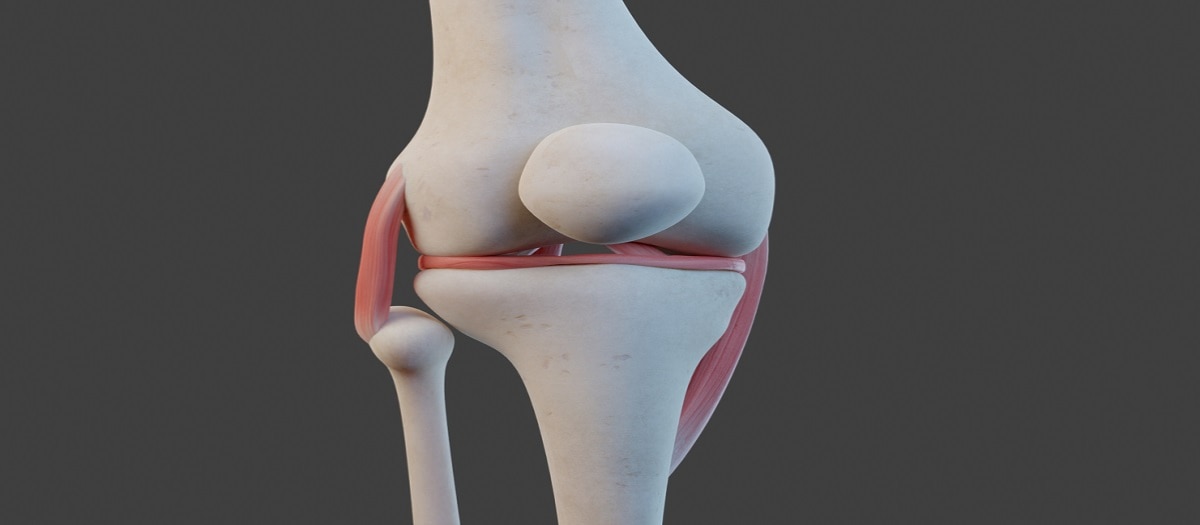
ACL (anterior cruciate ligament) ligament is one among 4 major ligaments of the knee, three other being, PCL (posterior cruciate ligament), MCL (medial collateral ligament) and LCL (lateral collateral ligament).Since the ACL runs from front on leg bone (tibia) coursing back to attach on thigh bone (femur), it will be stretched when the tibia moves forwards on femur. Hence, this ligament functions to provide the knee stability in the antero-posterior direction. ACL prevents the tibia from displacing forwards on femur. Thus, its prime role is to stabilize the knee in the sagittal plane of the body.How it is torn?Tear of ACL occurs most commonly during sports and accidents which involve sudden buckling of the knee (sudden change in direction due to force)1. When you land inappropriately from a high jump.2. When sudden force is applied on the front of the knee3. Sudden change in direction while the foot is planted on the ground.4. In India road traffic accident is the most common cause of ACL tear.Sign and Symptoms:Most patients present with complaints of knee pain and swelling following a knee injury. Swelling is abrupt in case of cruciate ligament tears as there is a blood collection from tearing of vessels that stretches the knee capsule, the most pain sensitive structure in the joint.When these patients present a few days after the injury, they may give a history of a pop or a click. The patients with cruciate ligament tears tend to have an extra sagittal motion in their knee that can present with a sensation of giving way of the knee. They express a feeling of buckling or instability in the knee (as the knee would dislocate) if they try to run or stress their knees. In patients with any clinical signs suggestive of ligament disruption, a good clinical examination is mandatoryClinical ExaminationOn suspecting ACL tear your clinician will examine your knee joint. Lachman test is most sensitive test to detect ACL injury. In this test sports injury specialist will check excessive motion of leg bone on thigh bone.
READ MORE